High-gradient normal conducting technology is important for most the proposed future high-energy colliders. In the cases of CLIC and C^3 a high accelerating gradient is a crucial for the overall cost, energy efficiency and performance of the facilities. For the Muon Collider a high-gradient in the muon capture section is crucial for the performance of the facility.
A focus for R&D on normal conducting high-gradient has been provided for many years by the CLIC study. In recent years the resources available for CLIC has been significantly reduced but collaborative connections have remained through personal contacts and workshop series such as the High-Gradient and MeVArc. In addition, high-gradient normal conducting technology is being adopted by numerous non-high energy physics applications and the community remains extremely dynamic as a consequence. In Europe, up to eight organisations are involved in R&D on High Gradient NCRF activities: INFN, Elettra, DESY, CERN, Cockcroft Institute, Uppsala U, PSI and U Valencia.
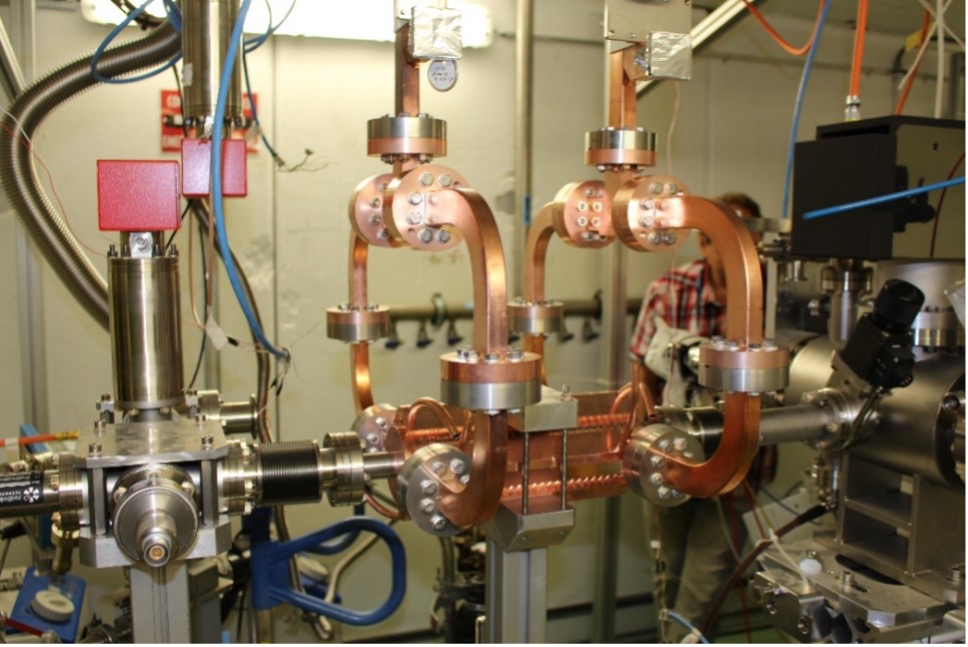
Significant synergy with other applications, including XFEL, Inverse Compton Sources, medical, plasma accelerators, pulse neutron source, photoinjectors, as well as accelerator hardware like RFQ, energy spread linearizers and deflectors. Currently about half of the contributing institutes have some HEP involvement, the majority of which being for non-HEP activities. Overall, such developments represent a total of >€70M investment and >5 – 6 FTE/yr of staffing activity, with an expectation for this to grow in future, however this is anticipated to be more extensive for non-HEP activities.